
The 1990s didn't ask for permission. They changed the conversation.
Before every moment became content, before personal style was filtered through algorithms, and before rebellion became a marketing strategy, there was a generation of artists, designers and image-makers who understood something instinctively: the most interesting things happen when the rules stop mattering.
In Britain, the 1990s were a cultural explosion. Fashion abandoned perfection. Art became confrontational. Photography turned toward the intimate and imperfect. Nightclubs became creative laboratories, and the pages of independent magazines became places where new identities could be invented.
Now, Tate Britain revisits that extraordinary moment with The 90s: Art and Fashion, an ambitious exhibition curated by Edward Enninful, one of fashion's most influential image-makers.
And it isn't simply an exercise in nostalgia.
It's a reminder of what happens when creativity becomes more important than conformity.
WHEN IMPERFECTION BECAME BEAUTIFUL
The decade helped dismantle the polished, aspirational aesthetic that had dominated fashion.
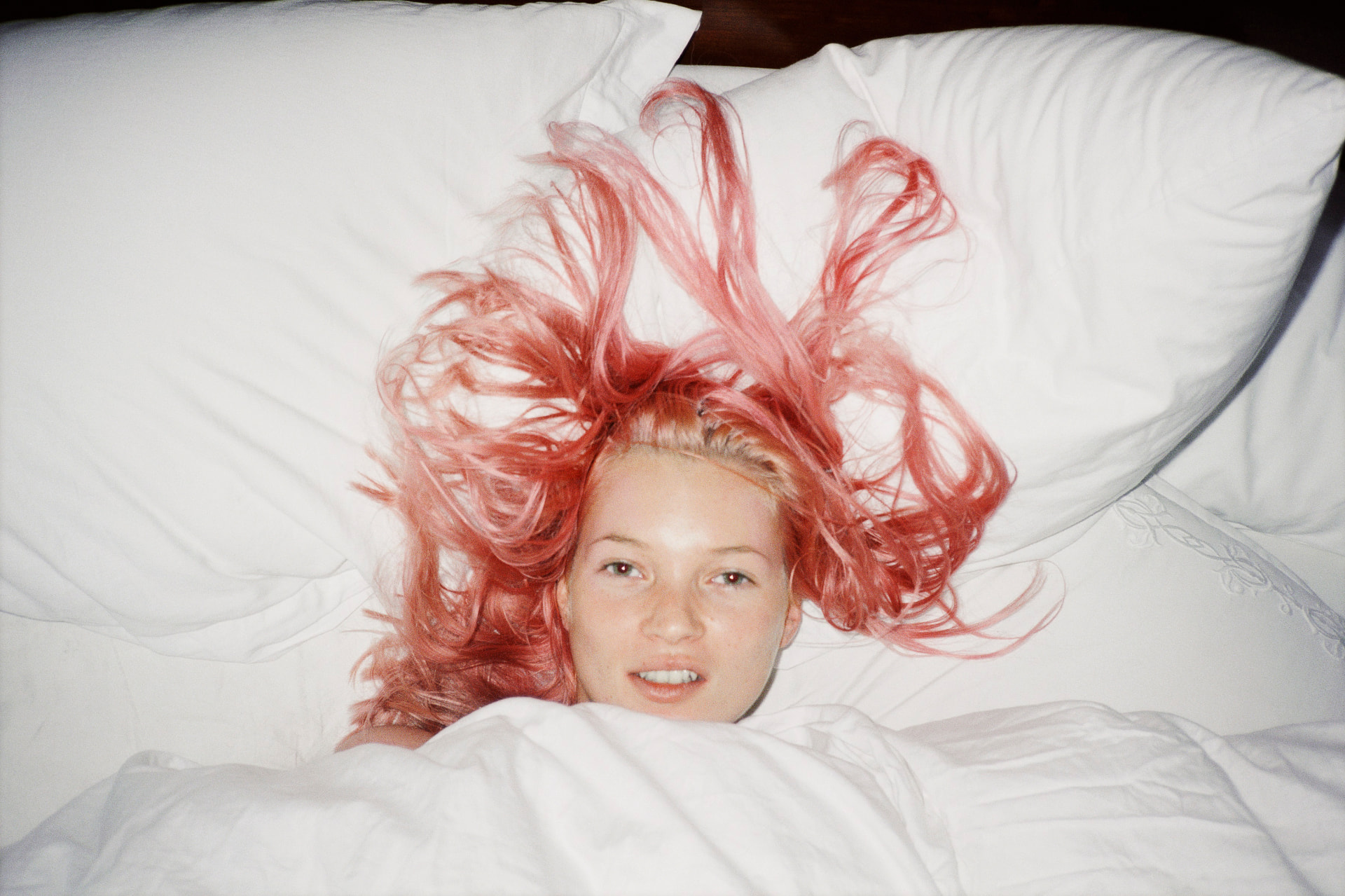
Photographers such as Corinne Day, Juergen Teller and Nigel Shafran turned their lenses toward something more immediate: real people, imperfect moments and beauty that didn't need to announce itself.
Kate Moss became an emblem of that shift. Her presence challenged the established language of the supermodel, bringing vulnerability, spontaneity and an almost accidental kind of glamour into the fashion conversation.
The pages of i-D and Dazed & Confused became cultural territory where photography, styling, music and identity could collide without apology.
Fashion was no longer just about the clothes.
It was about attitude.
Fashion was no longer just about the clothes. It was about attitude.
MCQUEEN, WESTWOOD AND THE ART OF PROVOCATION
At the same time, British designers were transforming fashion into something far more theatrical and confrontational.
Alexander McQueen challenged conventions of beauty, power and the body, creating fashion that could be disturbing, breathtaking and deeply emotional.
Vivienne Westwood continued to weaponize historical references and punk irreverence. Hussein Chalayan explored the boundaries between clothing, architecture and identity.
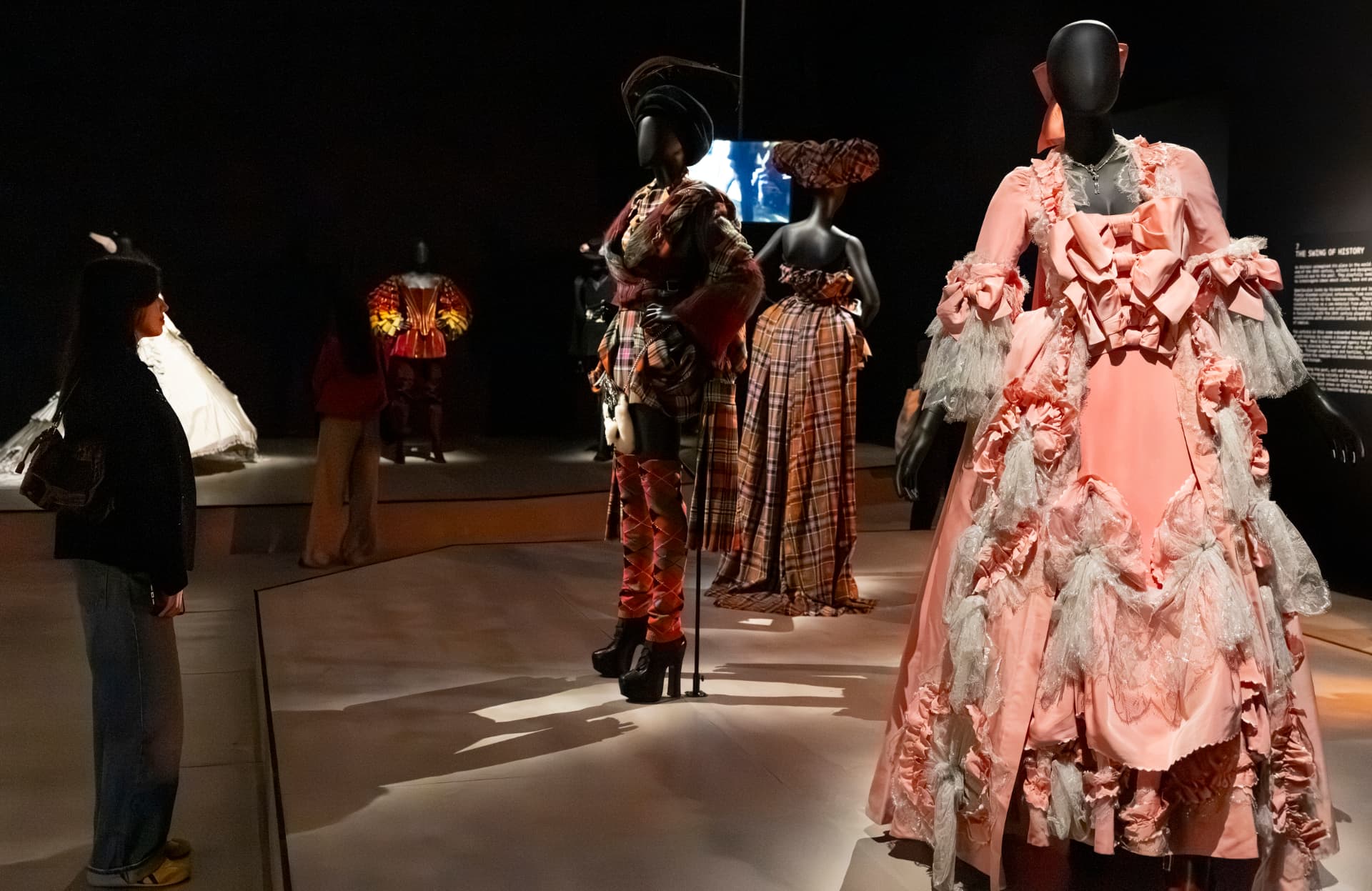
Fashion became performance. The runway became a stage for ideas that extended far beyond what anyone might actually wear.
And the boundary between fashion and contemporary art became increasingly difficult — and increasingly unnecessary — to define.
ART WITH NOTHING TO PROVE
Meanwhile, a new generation of British artists was challenging the institutions that had traditionally decided what art should look like.
Tracey Emin, Sarah Lucas, Damien Hirst, Gillian Wearing and their contemporaries brought everyday experience, uncomfortable questions and personal vulnerability into the gallery.
Their work could be funny, abrasive, unsettling or painfully intimate.
It was not designed to be universally liked.
And that was part of its power.
The decade's creativity was also shaped by more difficult realities: questions of race, class, sexuality, representation and belonging. Artists including Chris Ofili, Yinka Shonibare and Steve McQueen helped expand whose stories could occupy cultural space.
THE NIGHT BELONGED TO EVERYONE
Some of the decade's most influential creative exchanges happened nowhere near a gallery or runway.
They happened after dark.
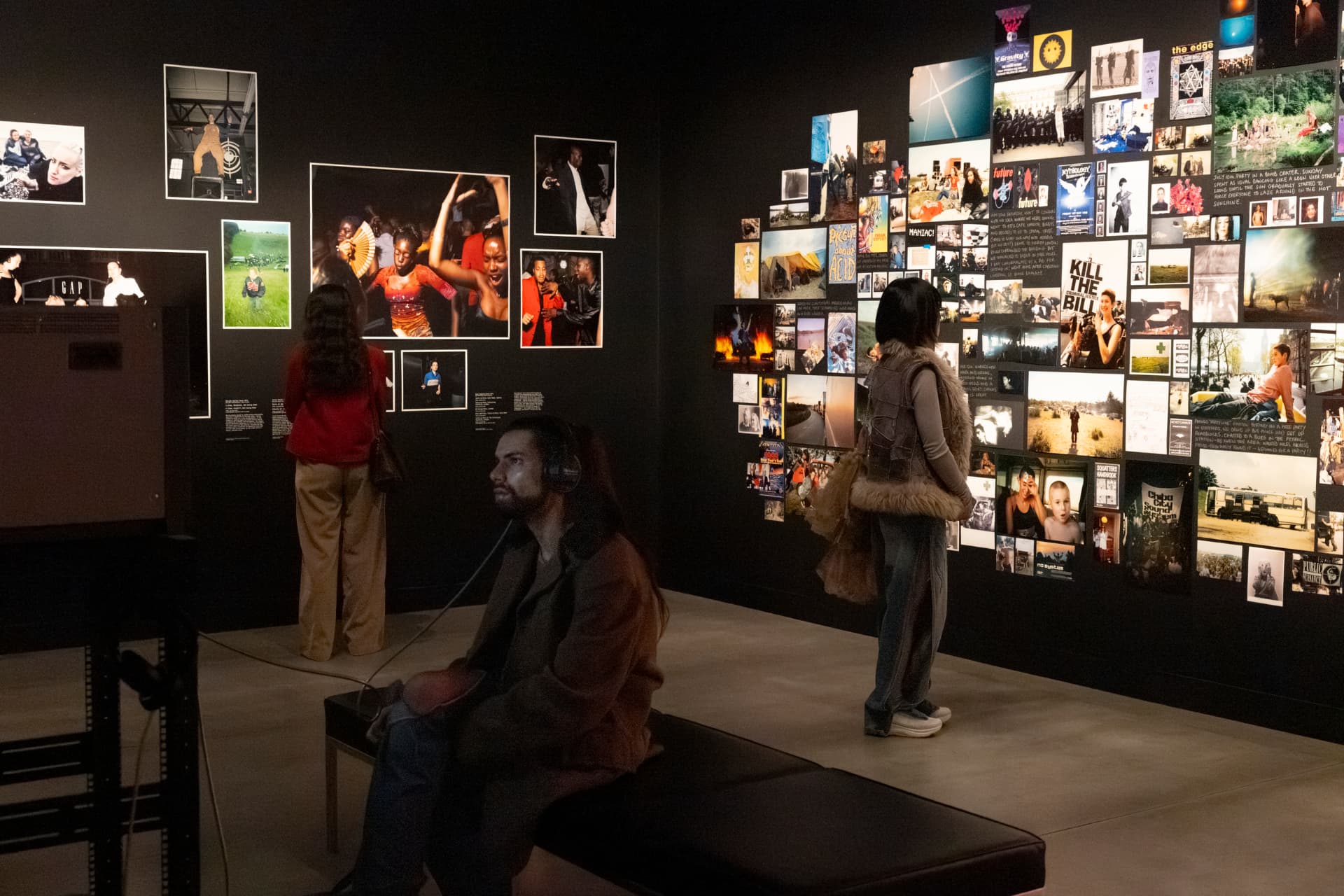
In clubs, on dance floors, in improvised studios and in the spaces where artists, musicians, designers and outsiders found one another.
From Manchester's Haçienda to London's underground nightlife, music and fashion were inseparable from the communities creating them.
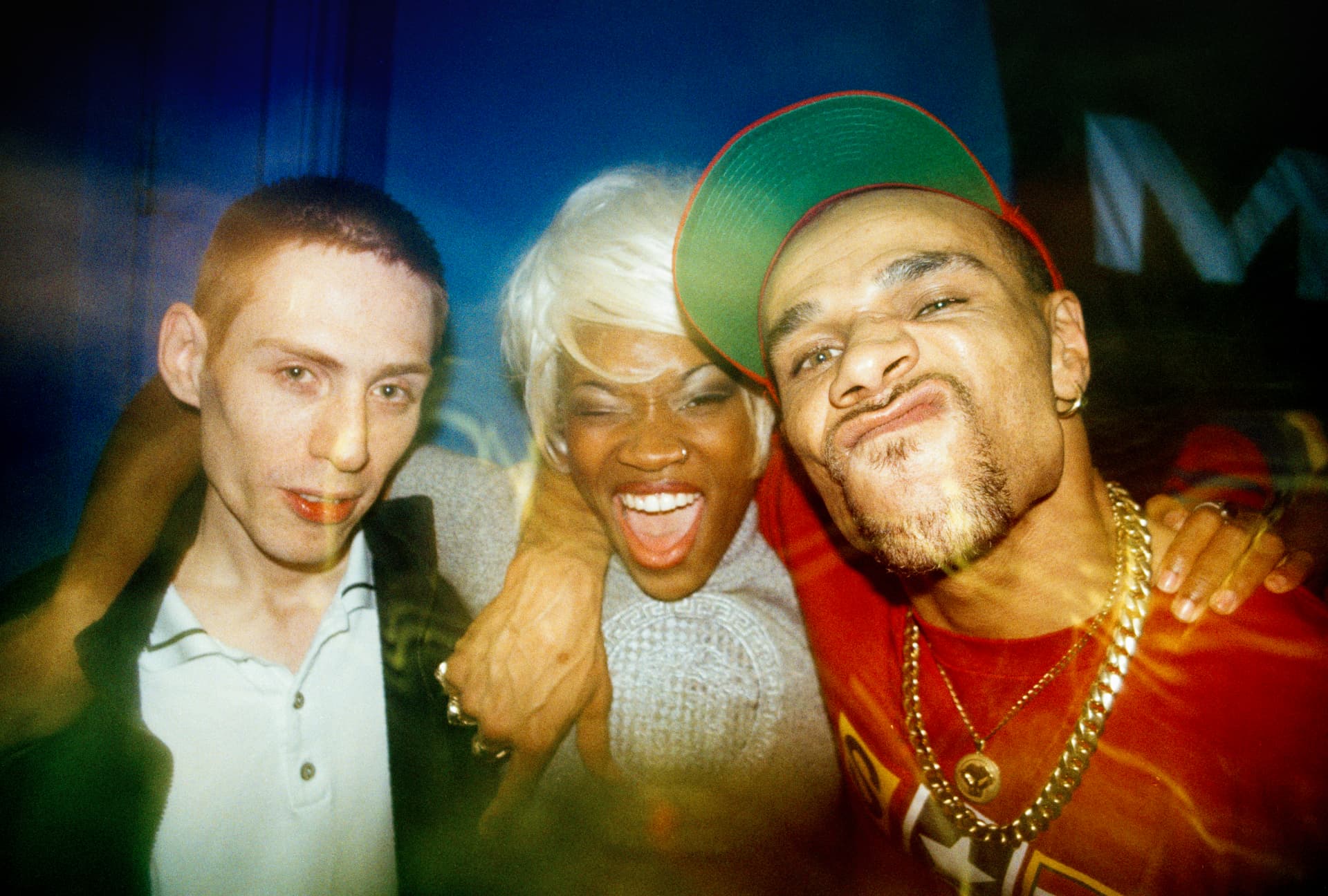
Mark Leckey's Fiorucci Made Me Hardcore captures something essential about that world: style wasn't simply purchased. It was lived, performed and shared.
The exhibition's inclusion of nightlife photography and moving-image work helps situate fashion within a much larger cultural ecosystem.
WHY THE '90S STILL MATTER
Perhaps the most fascinating thing about revisiting the 1990s in 2026 is how contemporary the decade still feels.
Today's fashion and visual culture remain fascinated by its raw photography, independent magazines, anti-fashion styling, experimental silhouettes and collision of high and low culture.
But nostalgia can be deceptive.
The decade was not universally liberating, and its creative freedoms existed alongside profound inequalities and social tensions. Remembering only the glamour would miss much of what made its art necessary.
That tension is part of what makes Tate Britain's exhibition worth examining.
For COUTEUR, the enduring appeal of the 1990s isn't simply Kate Moss, McQueen or a perfectly imperfect photograph.
It's the conviction that creativity can emerge from anywhere — and that the most powerful images don't always follow the rules.
The '90s didn't just change what we looked at. They changed who got to be seen.
And that might be their most important legacy.